01
Non-invasive biological sensing
Continuous sampling of sweat biomarkers to explore systemic stress responses — without blood tests, without disrupting training.
Bekalo is a non-invasive biosensor that reads cortisol and stress biomarkers from your sweat — continuously, in real training conditions. The biological signal your GPS, HR, and load metrics can't see.
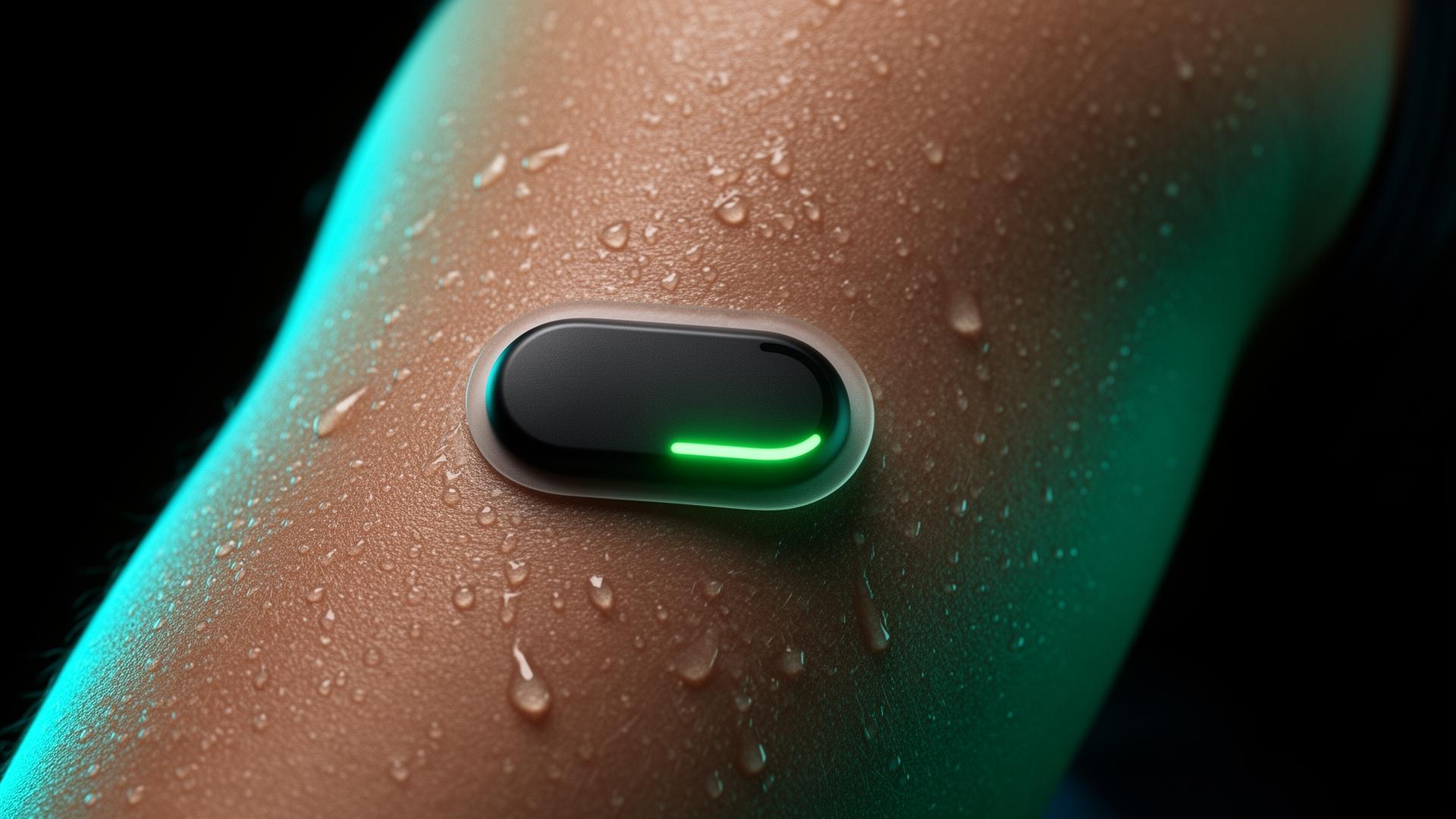





Continuous sampling. Lab-grade precision. Without a single drop of blood.
GPS, heart rate and workload describe how much an athlete works. They do not capture how the body is responding to stress outside the field. Bekalo builds an objective metric of systemic stress and recovery — a signal that emerges before performance drops or injuries occur.
Continuous sampling of sweat biomarkers to explore systemic stress responses — without blood tests, without disrupting training.
Biological signals reveal how each athlete is responding to training, beyond GPS distance, speed, or volume.
Identify changes in physiological stress states across training cycles, recovery phases, and congested schedules.
Physiological or psychological — see which one is actually holding you back, and act before performance drops.
Built to complement the performance systems and data platforms your staff already trust.
The Bekalo patch is only half the story. Every signal flows into a dedicated digital platform — built for athletes, coaches and performance scientists who need to act on the data, not just collect it.
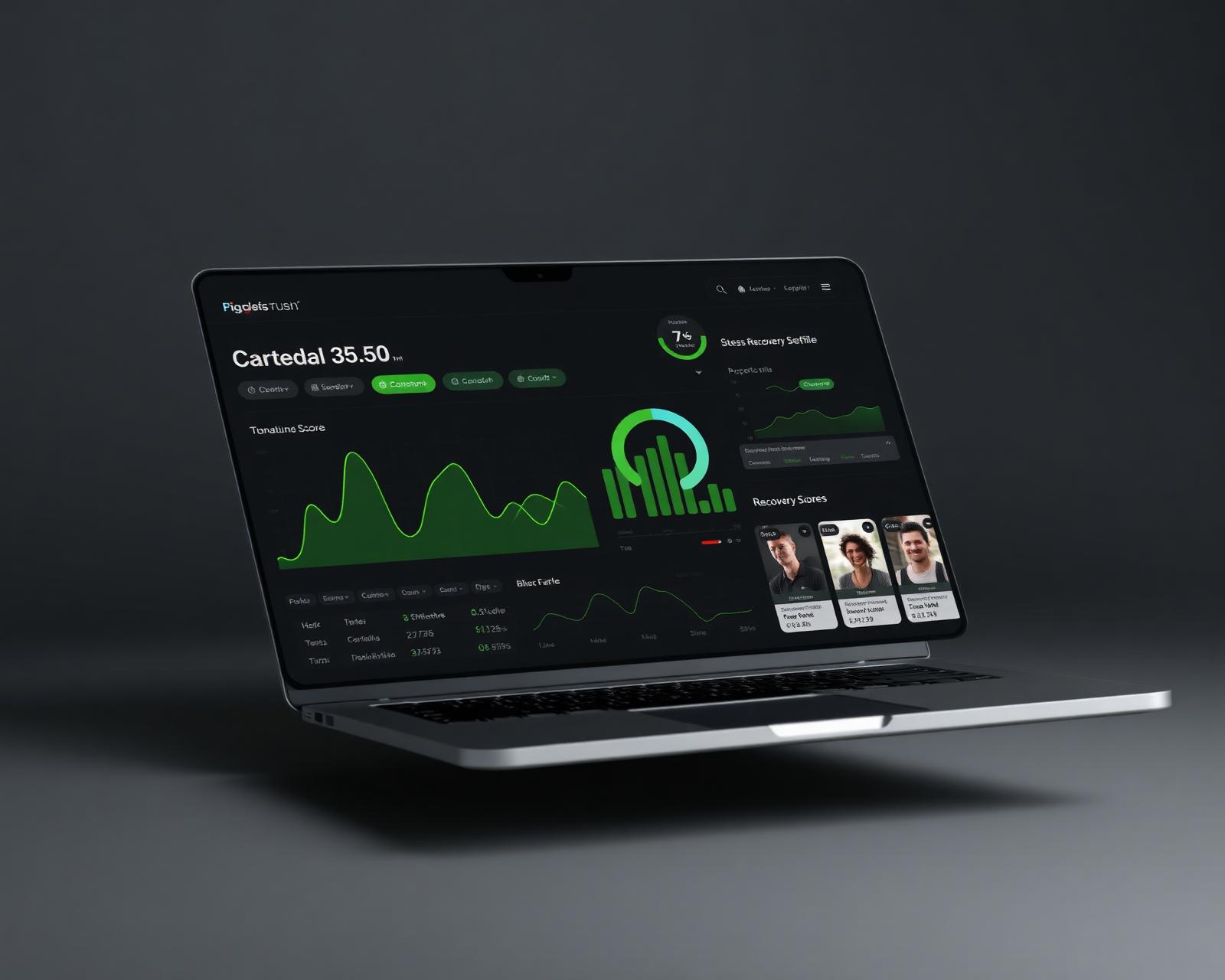
Wherever performance and recovery decide your season — Bekalo gives you the biological layer your training data is missing.

For cyclists, runners and triathletes — quantify systemic stress during peak blocks and protect your taper.

For football, rugby, basketball, volleyball — see who's actually recovered, not just who says they are.
Reserve a sensor for the early access program. Pilot is completely free — and you can change your mind any time, no questions asked.
Bekalo is inspired by experience in sport science, football, and university research. Years spent between the pitch, the lab, and the locker room shaped a belief: that the most important signals in performance are the ones we cannot see.